Systems I designed and built, and where they ended up.
Noesis
Retrieval-augmented generation platform, 2025 to present
My role I designed and built the whole system on my own at Straas.tech: the RAG pipeline, semantic search, multi-tenant architecture and the evaluation process described in my research experience.
I wanted the system to be honest about the limits of its sources, so it answers only from an organisation’s own documents, cites the passages it used, and says it does not know when those documents do not cover a question. Evaluating retrieval and generation separately made it possible to check that this behaviour held.
It became one of the company’s products, used mainly for customer-service chatbots. I have continued developing my version independently as Noesis.
Website
Texlink
B2B platform for the fashion supply chain, 2026
My role Co-founder and CTO. Designed and built the platform from scratch as its sole engineer, leading a second developer who joined in the final month
Connects fashion brands with garment factories and tracks orders through more than 20 production stages, defined with the co-founders from their knowledge of factory workflows, with role-based access control and data deletion compliant with Brazil’s data protection law (LGPD) through anonymisation.
Testing with real users showed that statuses which were logical from a software perspective did not reflect how factories actually work, and that many factory users had limited digital experience. I remodelled the workflow and simplified the interface accordingly, and verified core features with automated tests (116 for the order-reporting module alone). The platform is still in operation. The lesson I took from it: a system can be internally consistent and still wrong for the people who use it.
Website (Portuguese)
AI agent for symptom reporting in complex palliative care
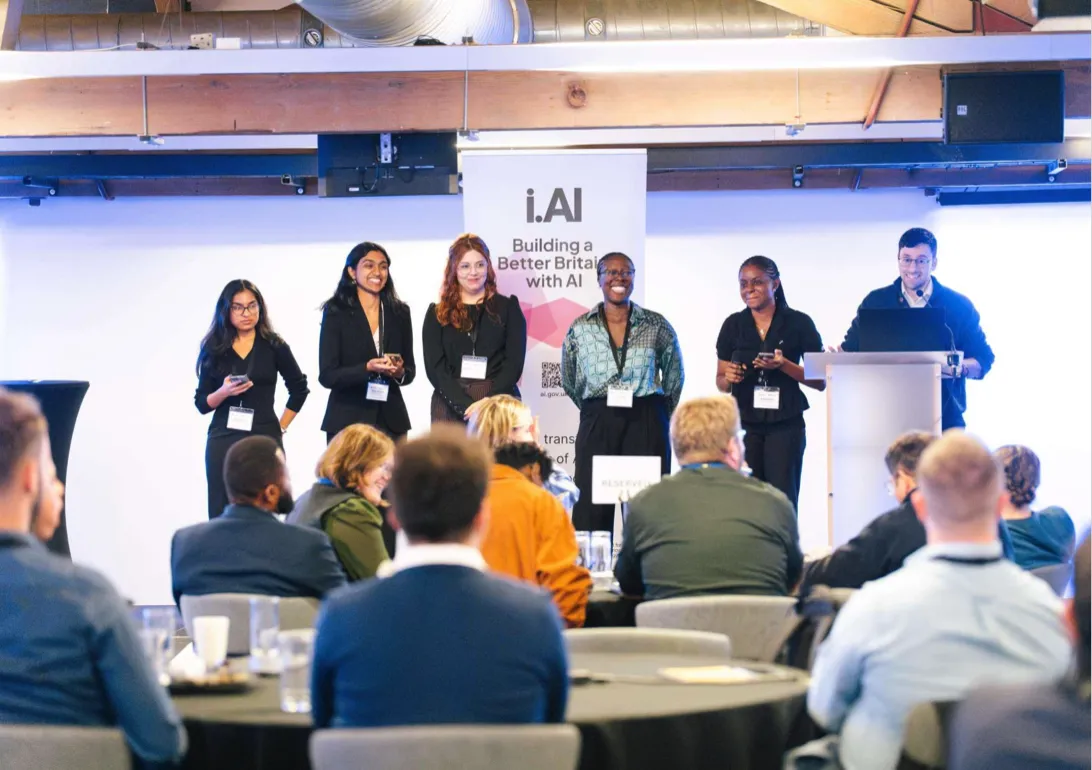
Concept and prototype, 2026, not in active development. Best Pitch Award among 10 teams, Spärck AI Scholarship launch hackathon
My role The original idea and the working prototype; the team, scholars from Imperial, Oxford, UCL and Bristol, developed the pitch together
An agent to help patients and family members, the people who live with symptoms day to day, keep track of and report symptoms, designed for the NHS context.
The prototype left two questions I would like to study: how far a system should rely on a family member’s report when the patient cannot report for themselves, and when the agent should stop collecting information and hand the case to the clinical team.
Moodz
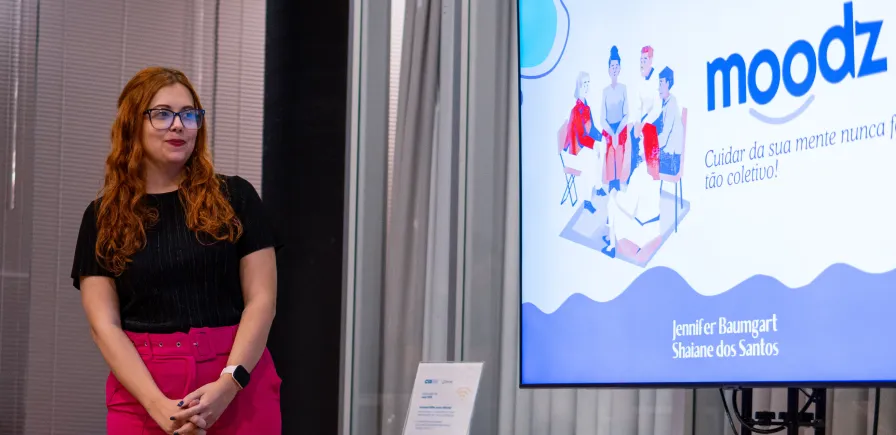
Online group therapy and peer-support platform, 2023 to 2026. Selected for a pre-incubation programme; paused in 2026 so I could focus on research
My role Co-founder and product architect; the project began as my personal initiative
Addressed the lack of accessible mental-health support for neurodivergent and chronically ill adults. I designed it around accessibility, safety and dignity rather than engagement: professional group therapy combined with peer-support communities, a low-cognitive-load interface, and gentle progress tracking that supports continuity without pressure.
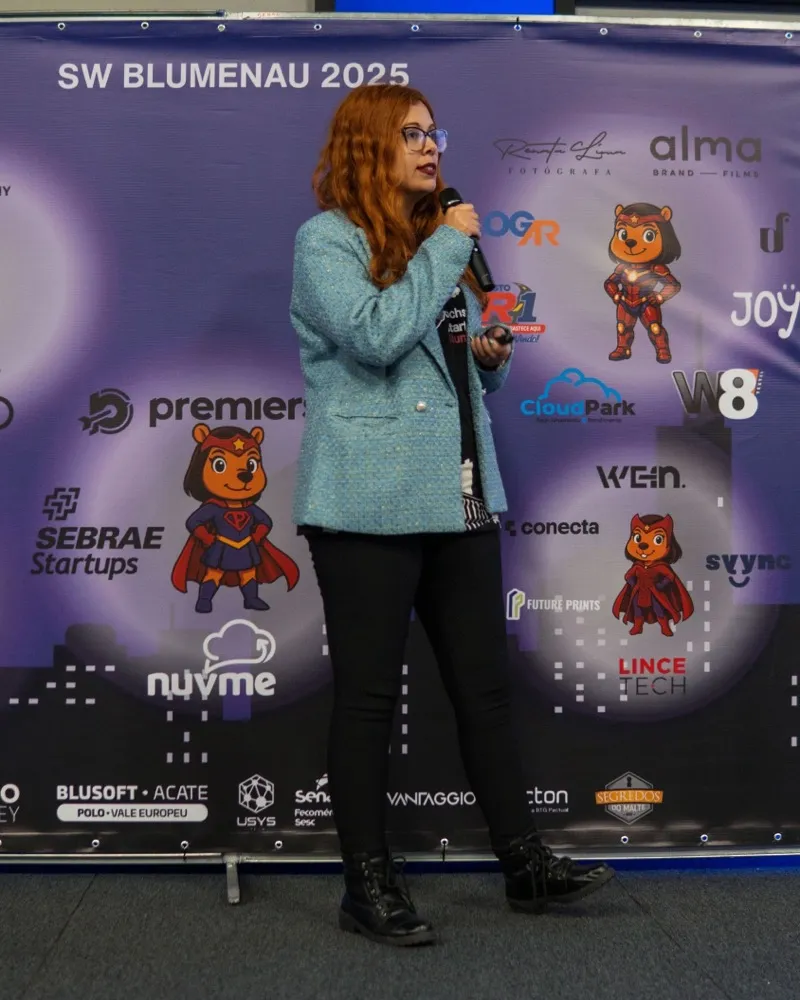
I developed it to prototype, and it was pitched at Techstars Startup Weekend Blumenau (2025). Designing it raised the questions that led me to responsible AI: what a system should surface, how it should handle sensitive moments, and when it should defer to a human.
Code on GitHub (interface in Portuguese)
Humanus
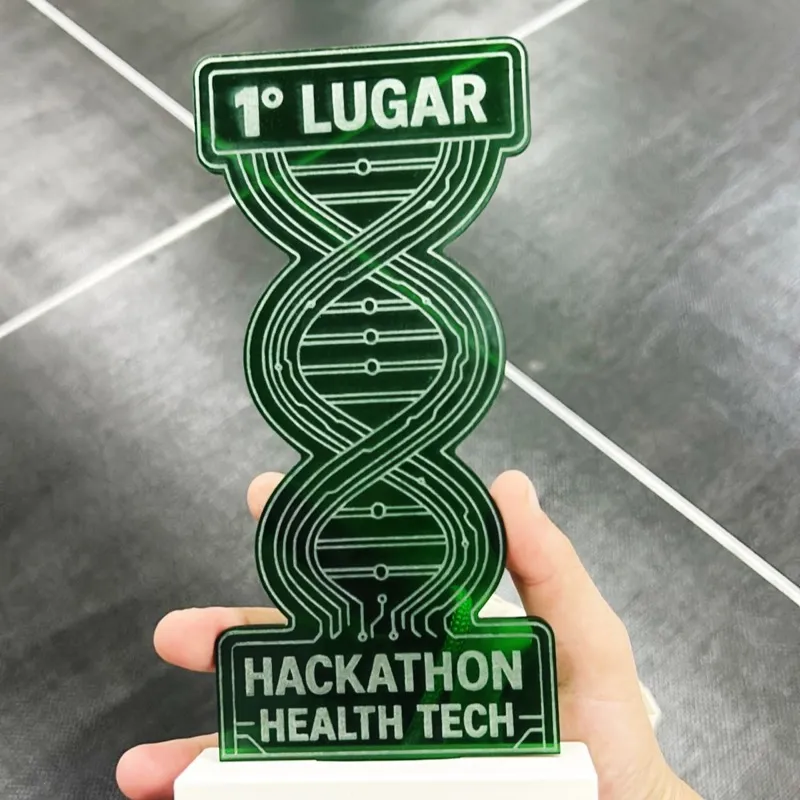
Career platform for nurses, 2025. 1st place at the Conecta Saúde Health Tech Hackathon
My role Design lead and prototype builder, working closely with two nurses and a business specialist
A working prototype built in three days, with microlearning, career planning and one-to-one scheduling, addressing the lack of structured career progression for nurses and nursing technicians.
VidaPlus
Healthcare management system, 2025. Final project, Tecnólogo in Systems Analysis and Development
My role Designed and built end to end, in under six weeks
A system for patient records, appointments, prescriptions and exams, with role-based access so that each clinical role sees only the information it needs.